Tuesday, June 29, 2010

Bunionette Surgery Cost Seattle Area

stolen pens for bee ... thankfully!

maurizio Loze writes on Sunday, a little piece on the crisis in beekeeping Trieste.
this was a bad year for bees: long and hard winter, blooms ruined by bad weather, mites, and Loze, interviewing the president of the consortium Trieste auspicious seventh, takes stock of the situation, estimating the Trieste honey production falling about 50%.
good intent, to make known the beekeeping sector is not sufficiently appreciated, unfortunately the result is derived that is imprecise and messy.
the first crop, the pollen of Acacia, is bankrupt ...
acacia (Robinia pseudoacacia) is important from the point of view nettrifero and not so much pollen. also the first crop of pollen, here, is that of the hazel (Corylus avellana).
the confusion between pollen and nectar are told that if it continues
water brought to the ground, in addition to flowers, even that pollen is the food of worker bees
worker bees do not feed on pollen, which is the source of protein that serves the development of the larvae and queen.
others are also references the wrong combination pollen / honey. that there is at the base of honey nectar, I think I already studied in elementary school ...
wanting to be picky there are imperfections with regard to varroa, but here we are already gauges for insiders, and then we fly over.
beekeeping is spoken only in reference to mass deaths, poisonings, adversity, crisis. yet it remains a fascinating and mysterious world that deserves at least to be treated within the terms and proper ways, especially if you want to own the hope with which Loze closes the article: deny the role of Cinderella in the primary sector which for years beekeeping bear.

Monday, June 21, 2010

Wedding Attendants Wording

nothing changes

in 1927, 2 to 5 September, in Trent, held the Ninth Congress of the Italian bee.
the many contributions, my attention was drawn to a report by Dr. Hector Malenotti, applied entomology plant pathology of the Royal Observatory of Verona, entitled the use of pesticides in relation beekeeping.
even then I find out who was struggling on the problem of poisoning of bees due to the treatments in bloom.
been over 80 years and not much seems to have changed.
time you point your finger on the salts of arsenic and phosphorus, today, even if the alarm is given mainly from corn seasoned with neonicotinoids, we can not forget, this year, the die-offs due to the treatments on citrus fruit, the apple, etc..
during the flowering period is prohibited treatments with plant protection products toxic to bees on field crops, trees, ornamental and wild.
this is the first paragraph of Article 5 of Regional Law 6 / 2010 (Friuli Venezia Giulia), but there are similar bans in Italy. I do not understand what's so complicated to understand, but remain largely unmet and prohibitions on which people should not watch.
we'll see what we will discuss in 80 years, provided that the bees will remain some.

monetary value of beekeeping in Italy:
production (honey wholesale): € 20.6 million
induced field including: 60 million €
pollination services to agriculture: € 2.6 billion
pollination of wild species for environmental protection: € 3.6 billion

Wednesday, June 16, 2010

Ratchet And Clank Schematic Locations

got the new heart failed

for 2010, the province of Gorizia has made available the amount of 6 000 € for the recovery of the bee census, in relation to the massive die-offs of bee families in the period October 2009 - March 2010.
the beekeepers consortium has therefore purchase of nuclei and distribution members who had denounced leaks, and I among them.
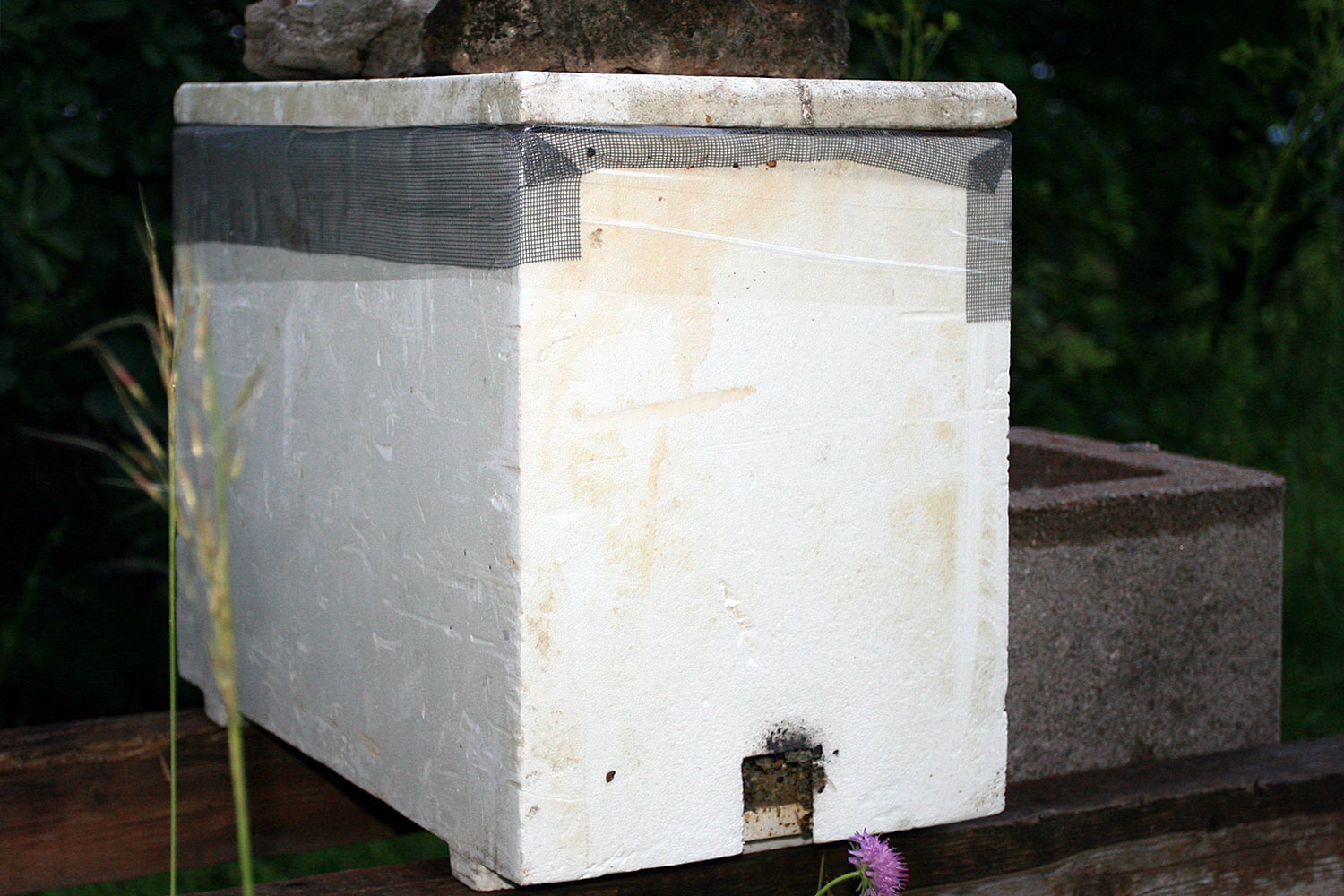
with some shots I'll tell you the time of placing in a beehive, which is also a time, took place in the rain:
bees in turmoil still in the car boot
position

finally free
the first curious
leave you with some definitions so as to clarify the terms that sometimes I assume are known:
a) honeycomb from the nest: the construction of wax made by bees within a frame when the colony grows;
b) family: the colony of bees with queen with a number of combs covered with bees nest more than six;
c) nucleus: the family of bees with a number of combs covered with bees nest, four to six;
Article 2, the regional law March 18, 2010, No 6 "regional standards for the discipline and the promotion of beekeeping "